Welcome to CW Green Tech Limited

info@cwlyautomation.com
86-136 6712 1125

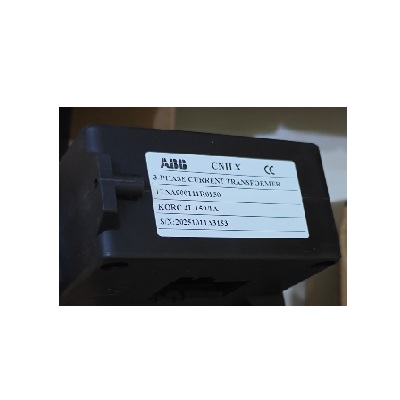
ABB 1TNA900241R0400 Current Transformer KORC 4SL 400/4
This is the unique manufacturer's part number.
• 1TNA: Standard prefix for ABB's low-voltage instrument transformers.
• 900241: The specific article number for this model. The change from the previous example's "900341" indicates a different product variant.
• R0400: A revision or variant code, likely indicating the specific primary current rating (400A) is a key feature of this version.
Technical Designation: KORC 4SL 400/4
This segment contains the core technical specifications.
• KORC: This indicates the type of current transformer.
◦ KO: Standard ABB series for ring-type (window-type) current transformers.
◦ R C: Part of the model family designation.
• 4SL: This specifies the accuracy class and burden.
◦ The number 4 indicates the accuracy class is 1%.
◦ The letters SL indicate a specific burden. In ABB's nomenclature, "SL" typically corresponds to a burden of 1 VA (Volt-Amperes). This is a lower burden than the "4S" (2.5 VA) from the previous example.
• 400/4: This defines the current ratio.
◦ 400: The rated primary current is 400 Amperes.
◦ 4: The rated secondary current is 4 Amps. The full ratio is 400/4 A.
Summary of Key Specifications
Feature
Specification
Meaning & Comparison
Manufacturer
ABB
Type
Ring/Window Type Current Transformer
Same physical style as the previous model.
Rated Primary Current (Ipn)
400 A
Key Difference: Designed for a much higher current circuit.
Rated Secondary Current (Isn)
4 A
Same secondary standard.
Ratio
400/4
Key Difference: When primary is 400A, secondary is 4A.
Accuracy Class
1%
Same high accuracy for measurement.
Rated Burden
1 VA
Key Difference: Can only drive a smaller load (wiring, meters) while maintaining accuracy compared to a 2.5 VA model.
Mounting
On a busbar or a single core cable.
Typical Application
This CT is used for precise electrical metering and protection in low-voltage systems with higher current levels, such as:
• Main incoming feeders in a commercial or industrial distribution board.
• Supply lines to large motors or other high-power equipment.
• It accurately steps down the 400A primary current to a safe, standardized 4A secondary current for connection to ammeters, energy meters, and protection relays.